Art Psychotherapy and Supervision
Newark, East Midlands (UK) & Online
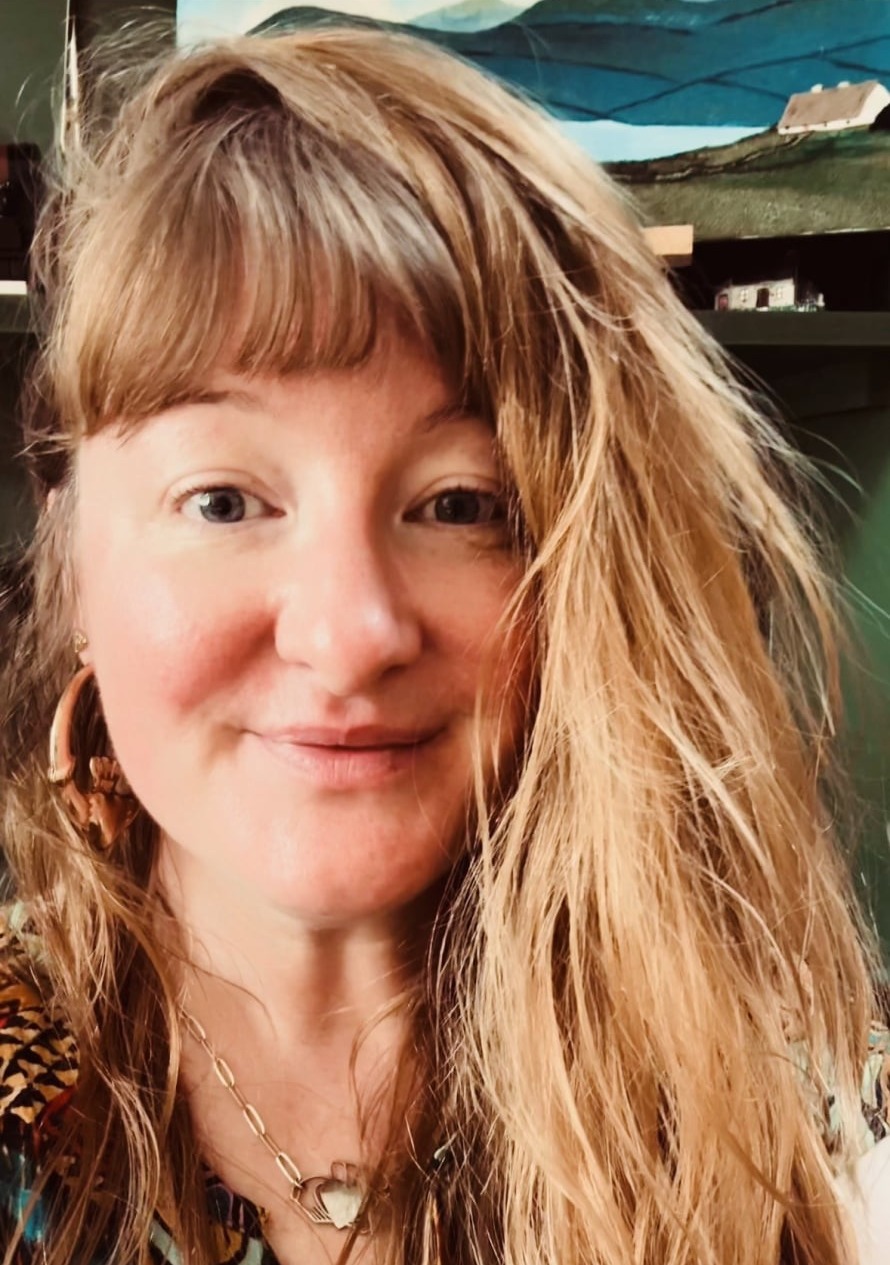
My name is Aisling pronounced Ash-ling.
I'm an Irish artist and art psychotherapist living in Britain. I work with children and adults of all ages. From my art studio in Newark, I offer art psychotherapy, in person or online. I also provide supervision for art therapists, socially engaged practitioners, and community organisations.
My work is primarily with neurodivergent and queer clients, and those navigating institutional abuse, statutory failures, and transgenerational trauma — as well as climate anxiety, depression, low self-esteem, and disordered eating.
My practice is grounded in psychodynamic and group analytic thinking, shaped by the ethos of therapeutic community. I also bring experience from community incident response, disaster recovery, and the television and film industry.
Within this broader range of practice, I hold a particular specialism in working with Irish people in Britain — first, second and third generation — and the specific ways historic institutional harms and inherited family history surface across generations.
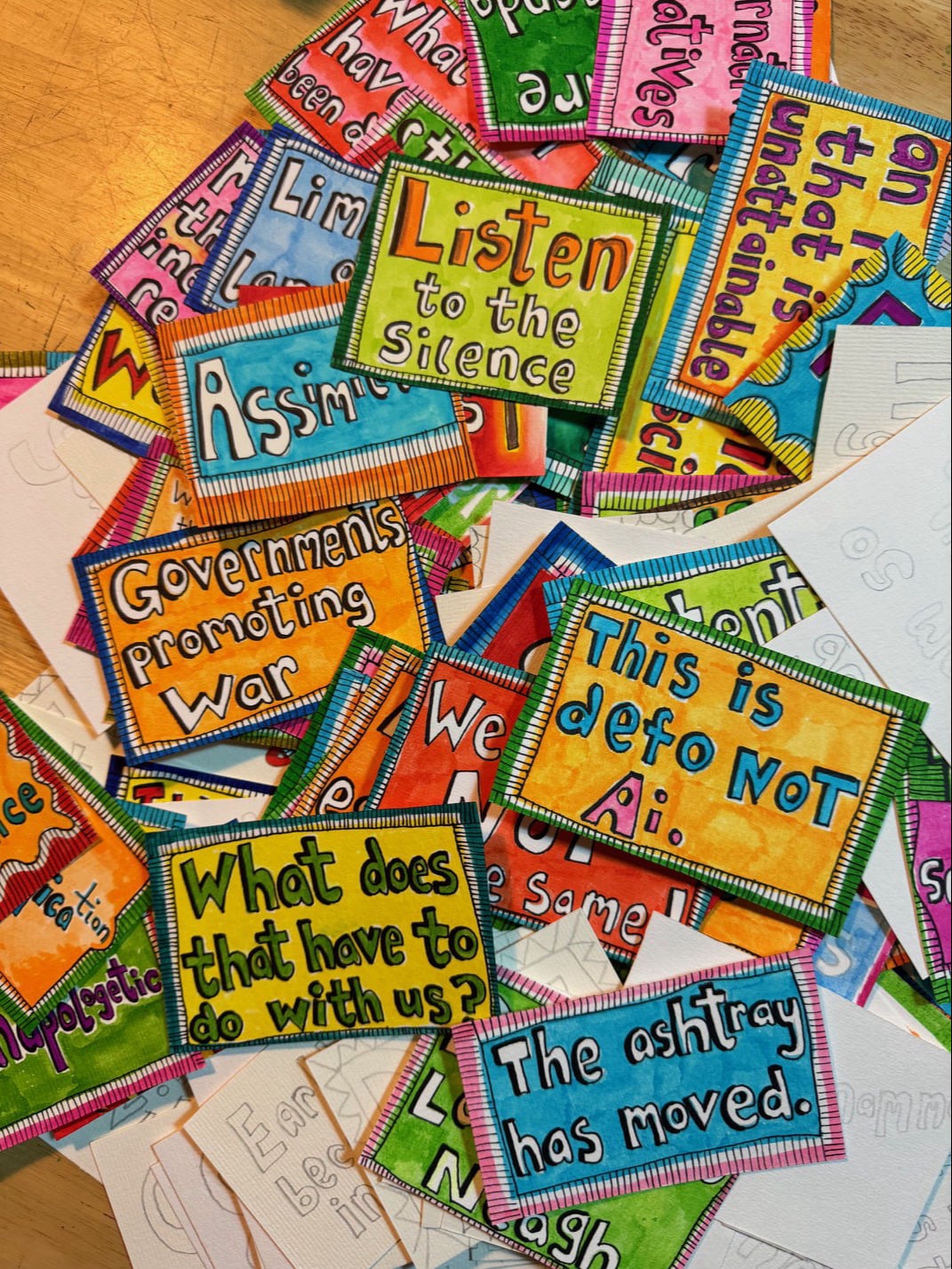
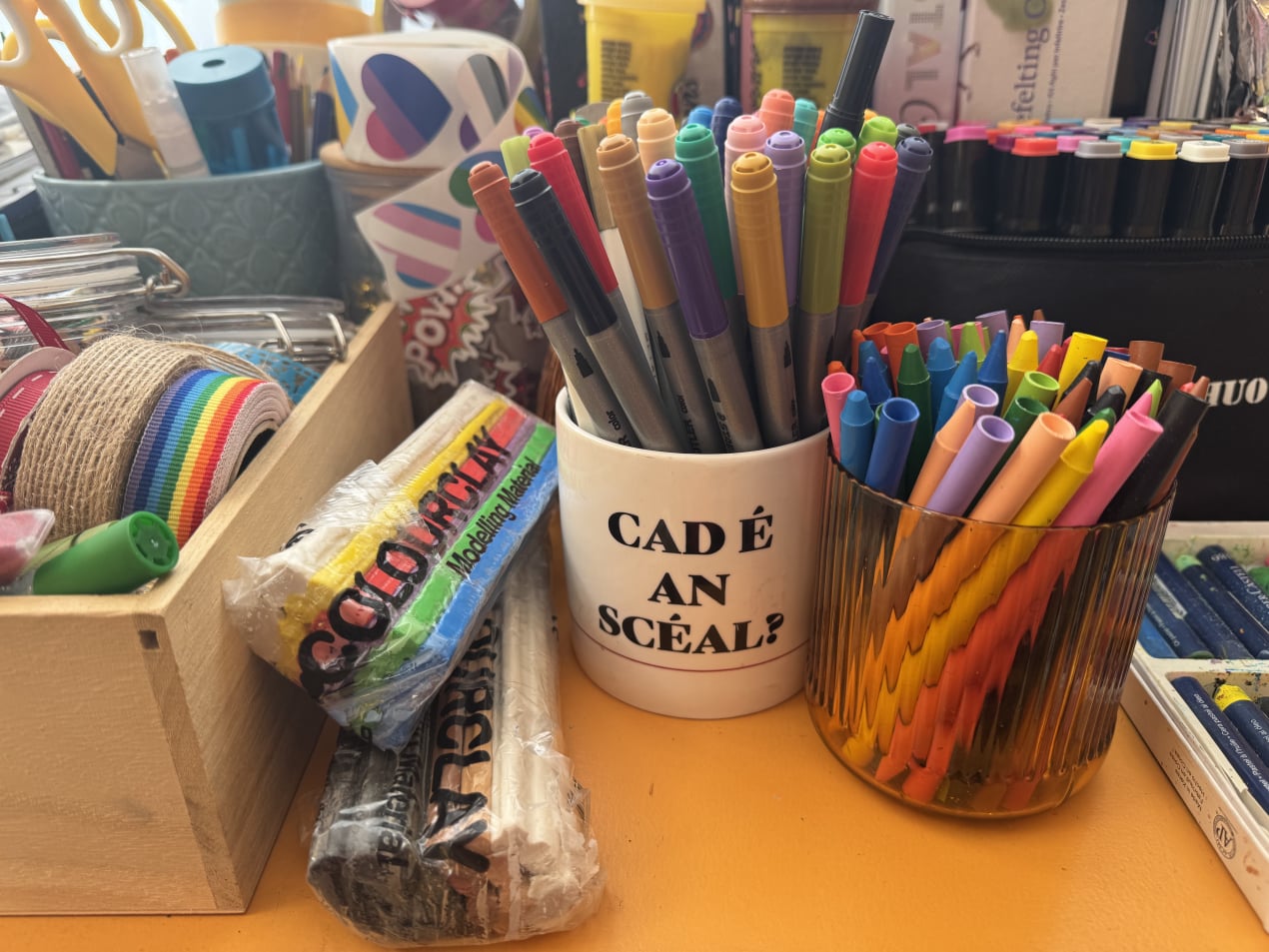
Art psychotherapy (also known as art therapy) combines psychotherapy with art-making — drawing, painting, or sculpting — to help people express and explore complex thoughts, emotions and trauma.
You don't need to be artistic. The focus isn't on technical skill, but on the creative process itself. Uncover what emerges and what you discover as you create. Through art, you can work through difficult emotions and deepen your self-awareness. Because art psychotherapy doesn't depend on spoken language, it's suitable for all ages, and can be particularly useful for people who have experienced trauma.
What we talk about is up to you. We also don’t have to talk – that’s totally fine too. Sometimes – the art will speak, and direct us towards something lying underneath – visible within an image or an idea. What's said and made in the room stays confidential, within the usual limits around safety that any therapist works to.
Art psychotherapists are registered with the HCPC (Health and Care Professions Council) — the statutory regulator for the profession in the UK. This register ensures safety and best practice by holding registrants to set standards of proficiency, training, and conduct.
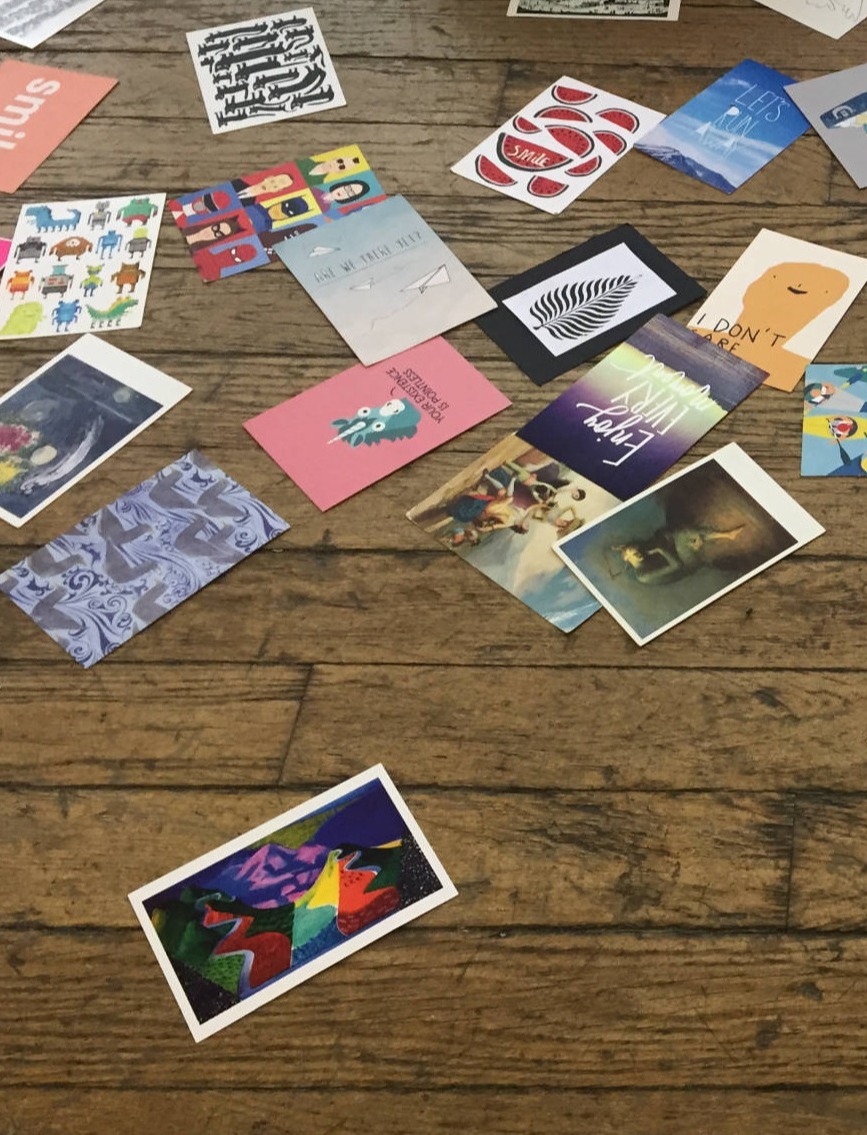
Groups form microcosms of society. Dynamics arising in group therapy can echo our personal, social, cultural, and political contexts, offering space to explore who we are and the world around us.
Thinking together with others in a group can help make sense of how the past influences the present. Groups can be a lifeline for people who are isolated, especially those suffering because of social or cultural circumstances. They encourage imagination, connection, and healthy relationships, improve communication skills, reduce feelings of isolation, and can help people find their authentic voice.
I conduct a several groups including an online, weekly, art therapy group (6 - 7.30pm Wednesdays. Flyer), a supervision group (now full - with the possibility of a new one to start!) and a weekly online art therapy group for the Irish Community in Britain with Irish Immigrant Counselling and Psychotherapy (12.30 - 2pm, Mondays).
Get in touch to register interest or find out more.
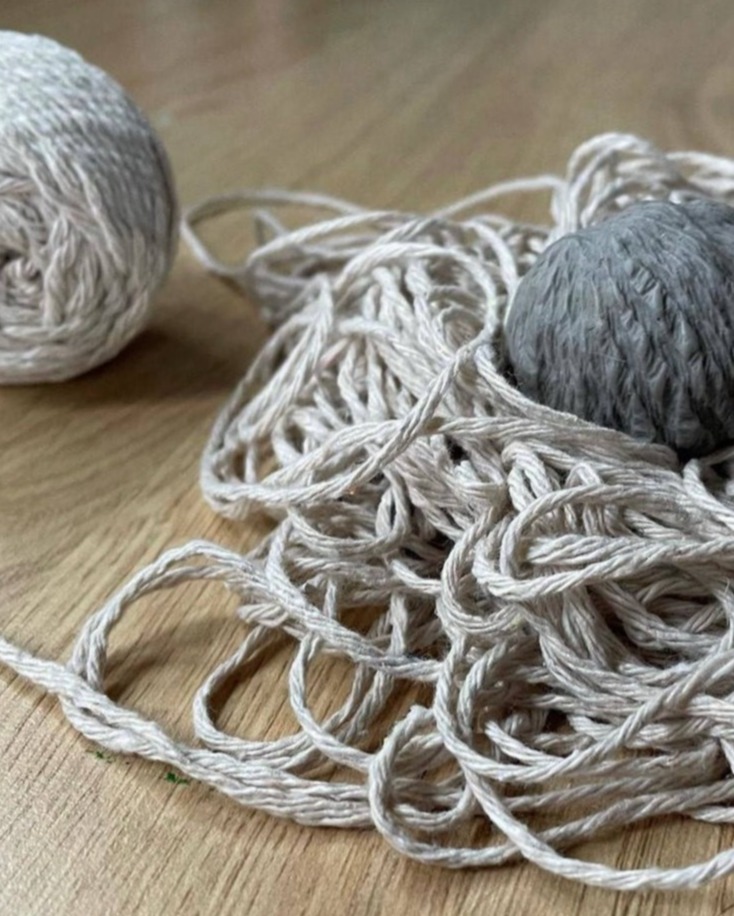
Supervision is a supportive space to reflect and think together about your therapy work, ensuring client welfare and supporting your development as an art psychotherapist. It centres your work and the people you work with — thinking too about spaces, group dynamics, and the wider world we find ourselves in.
My approach is conversational, psychodynamic and group analytic. Through sharing experience, we deepen our understanding in meaningful conversation. I encourage creative responses, and we can make art within supervision if you'd like — and I welcome conversations about how the work and training affects you, professionally and personally.
Supervision isn't a tick-box exercise. It's a valuable, nourishing space that supports psychotherapists' work sustainably. Ethical practice is at its heart.
For community organisations, supervision helps ensure your work is trauma-informed — offering reflective space, an additional safeguarding measure, support for learning, and protection against burnout.
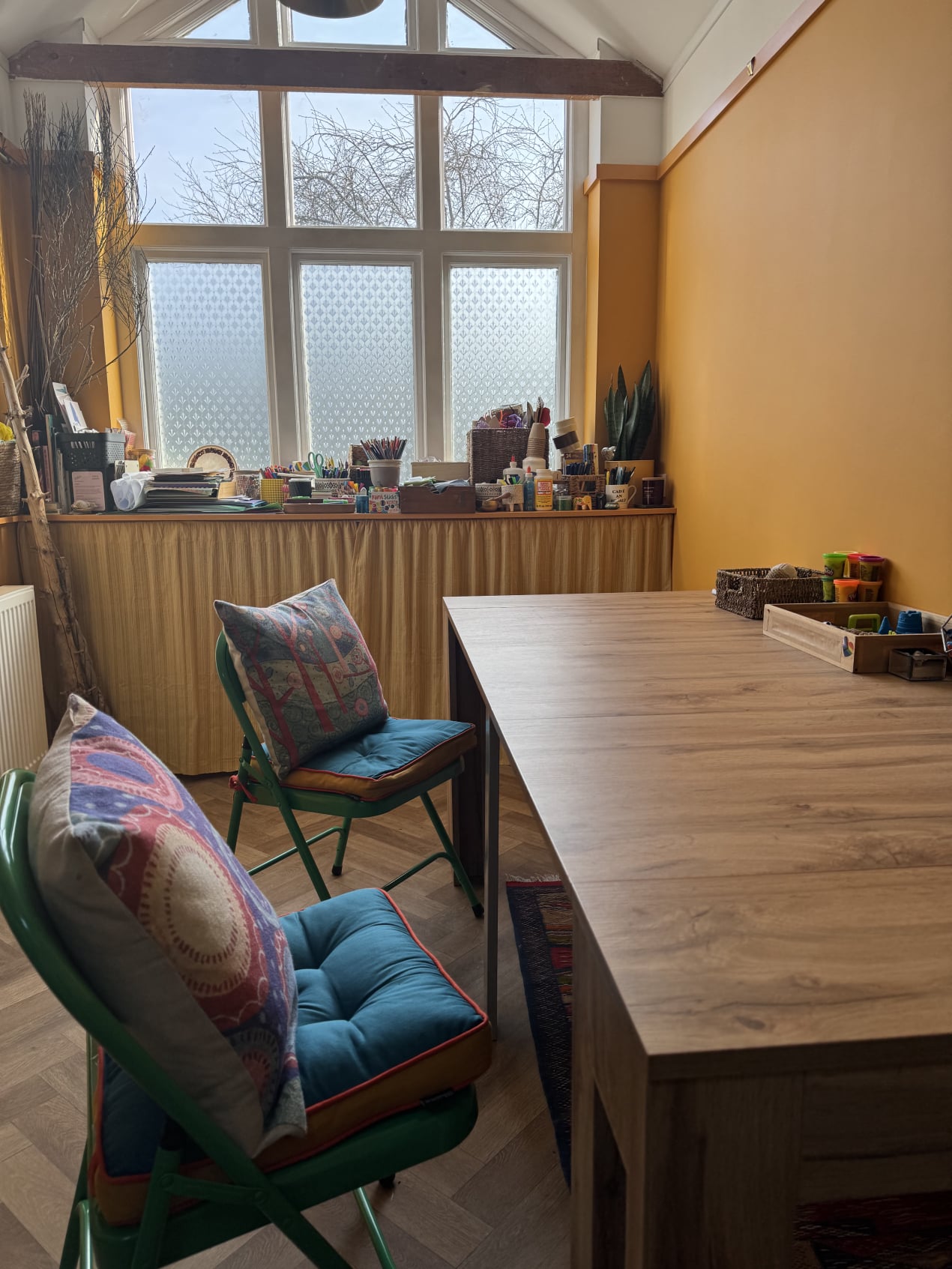
To begin, contact me by email communityarttherapist@gmail.com and we can arrange a time to talk. Our first conversation — thirty minutes, free of charge — is a chance to ask questions and think together about whether I might be the right therapist for you.
Please let me know your name and reason for contacting me, and I'll respond as quickly as possible. My working hours are generally 9.30am–3pm, Monday to Friday.
This is not a crisis service. If you are at risk of harm or unable to keep yourself safe, please seek urgent medical care. Go straight to A&E, if you can. Call 999 for an ambulance. Call your local mental health crisis team. Here are some immediate resources that may be helpful.

Website Building Software